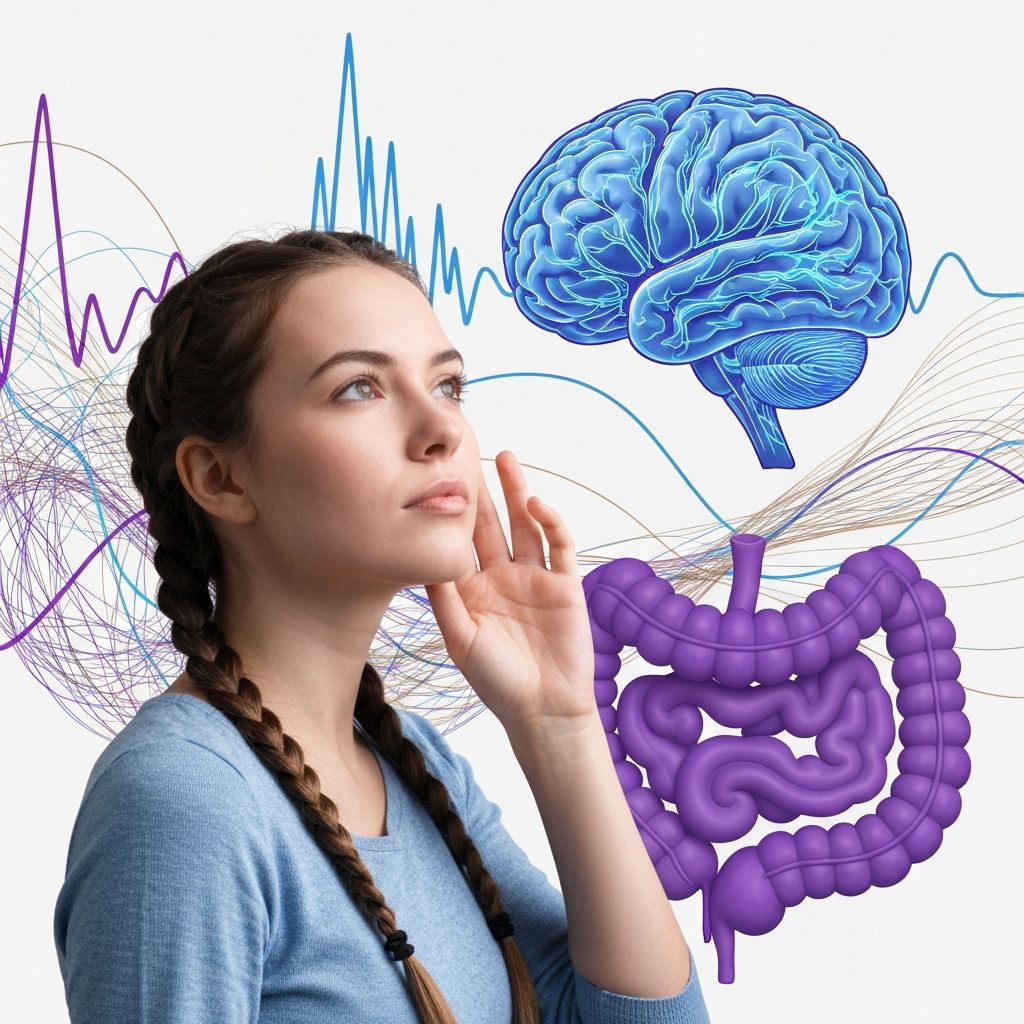
Hunger Signals: What Science Says

A factual exploration of how the body communicates its need for food

Hunger signaling system

Understanding Hunger

Hunger is a physiological signal that indicates the body's need for energy and nutrients. Unlike appetite—which is the desire to eat—hunger is driven by objective biological parameters. Yet hunger is not a simple on-off switch; rather, it emerges from the interaction of multiple systems working in concert.

The primary hormone regulating hunger is ghrelin, produced mainly by the stomach. Ghrelin levels rise when the stomach is empty and the body requires fuel. This hormone travels to the brain, particularly to the hypothalamus, where it signals hunger. After eating, ghrelin levels decrease, reducing the hunger signal.

However, ghrelin is only one piece of a complex puzzle. Hunger also depends on blood glucose levels, amino acid concentrations, fatty acid availability, and the physical state of the gastrointestinal tract. When these signals indicate energy depletion, the brain integrates them to produce the sensation of hunger.


Variety of healthy foods

Ghrelin: The Hunger Hormone

Ghrelin is a 28-amino acid peptide hormone that plays a central role in hunger signaling. Beyond its basic function as a hunger signal, ghrelin influences various aspects of metabolism and behavior:

Circadian Patterns

Ghrelin levels follow a daily rhythm. They typically rise before meals, peak in the evening, and decline after eating. This pattern helps coordinate hunger with habitual meal times.

Sleep Influence

Sleep deprivation elevates ghrelin levels, which contributes to increased appetite during and after periods of poor sleep. This relationship helps explain the connection between sleep and food intake.

Stress Interaction

While acute stress typically suppresses appetite, chronic stress can elevate ghrelin levels. This contributes to the commonly observed increase in food consumption during prolonged stress.

Meal Composition Effect

Different macronutrients suppress ghrelin differently. Protein tends to suppress ghrelin more robustly than carbohydrates or fats, which contributes to protein's satiating effect.

The Brain's Hunger Centers

Ghrelin communicates hunger to specific regions of the brain. The hypothalamus, a small structure at the base of the brain, contains specialized areas that respond to ghrelin and other appetite signals:

  • The Lateral Hypothalamus acts as an "eating center," where ghrelin and other hunger signals trigger the motivation to seek and consume food.
  • The Ventromedial Hypothalamus functions as a "satiety center," becoming active when satiety signals are present and suppressing eating behavior.
  • The Paraventricular Nucleus integrates hunger and satiety signals and coordinates metabolic responses.

These brain regions do not act in isolation. They communicate with broader reward and motivation systems, sensory centers, and memory regions. This integration explains why hunger is influenced not only by current energy status but also by prior experiences, learned associations, and environmental cues.

Factors That Influence Hunger Signals

Glass of water

Hunger signals do not depend solely on energy depletion. Multiple factors influence the strength and timing of hunger:

Physical Activity

Exercise acutely suppresses ghrelin and hunger through multiple pathways. However, chronic exercise influences long-term metabolic regulation and baseline hormone levels, creating individual variation in hunger responses.

Meal Timing and Frequency

Eating patterns influence ghrelin rhythms through learned associations and actual energy status. Some individuals experience stronger hunger signals when following irregular meal schedules.

Hydration Status

Dehydration can be misinterpreted as hunger, as thirst signals and hunger signals share some neural pathways. Adequate hydration can reduce false hunger signals in some contexts.

Emotional State

Emotions influence hunger through multiple mechanisms: stress hormones affect ghrelin, emotional eating involves reward pathways, and learned associations can trigger hunger in response to emotional states.

Note: This article provides scientific information about hunger mechanisms for educational purposes. Individual hunger patterns vary significantly based on genetics, lifestyle, and health status. This content does not constitute medical advice or personal recommendations.

Continue Your Learning

Explore related topics in our other blog articles.

Back to All Articles